


Intent
Introduction—Vision and Aims
We want our children to experience more than what is offered through the National Curriculum. Life in the wider world demands so much more and we aim to ensure all our children have the knowledge and skills to succeed in life through the experiences we provide so that they can all be STARS!
At Ridgeway, Religious Education is vital in order to allow our children to learn about their own religion, other people’s religion as well as developing their understanding of religious teachings such as those of consideration, tolerance, empathy and respect. Religious Education contributes to pupils’ spiritual, moral, cultural, intellectual, social and physical development, creating positive attitudes to religious practices and cultural awareness. Children reflect on what it means to have a faith and to develop their understanding of what it means to be part of a faith community. By teaching Religious Education, it enables our children to investigate and reflect on some of the most fundamental questions in life. We enable our children to develop a sound knowledge of Christianity and the major world faiths, by teaching them how to learn about religion and how to learn from a religion.
Our vision is to allow children to become respectful of religion and the practices that faith members adhere to as part of their faith. We aim to enable children to understand what religion can teach us; what it means to be a religious believer; engage in meaningful discussion about religion, exemplifying tolerance and an interest in the way of life of others; and religiously articulate their thoughts and feelings.
Should you wish to withdraw your child from RE, please speak to the office.
Curriculum Drivers in Religious Education
We give children opportunities to be imaginative, to use experiences and observations to make connections in their learning and appreciate that learning can be accomplished in different forms. To do this, we have established some key ‘curriculum drivers’ which outline our aspirations for our children by the time they leave us (Expressive Communicators, Healthy Champions, Life Long learners, World Citizens and Open to possibilities). Our ‘curriculum drivers’ are designed to enable our pupils to ‘Reach for the Stars’ through their learning. We aim for our children to grow both academically and socially and our curriculum has been created to achieve these aspirations for all.
ExpresSive Communicators
Religious education gives all pupils an opportunity for their voices to be heard. A typical lesson is designed to involve open discussion where every pupil’s opinion can be heard. The topics that our RE curriculum covers allow pupils to explore others views as well as their own and challenge any points that they may not agree within a safe and controlled environment. .
WoRld Citizens
Religious Education is hugely important in the journey our children take in order to become World Citizens. Through the teaching of our RE curriculum, children learn to further understand the diversity of the world in which they live. This is achieved by teaching our children about how the major faiths are celebrated, how faith communities adhere to the teachings of their religion and how this impacts on daily lives. Children learn to become respectful of the people around them that make up the world in which we live.
Open to PoSsibilities
The teaching of our Religious Education curriculum allows our children to learn that developing an open-minded attitude enables society to become tolerant of others, their goals and dreams and their beliefs.
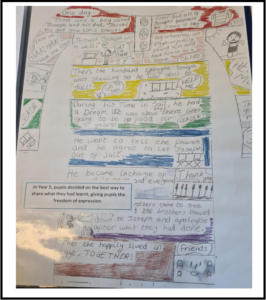
Year 5 learning about freedom of expression
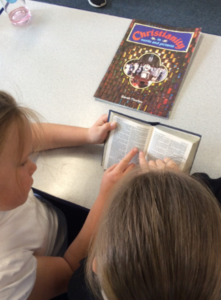
Year 4 learning about Christianity
Implementation
At Ridgeway, our curriculum follows the Staffordshire Locally Agreed Syllabus, and it is used as a planning tool in conjunction with Ridgeway’s Progression and Vocabulary Document.
Staffordshire’s Locally Agreed Syllabus is broken down into three terms: Autumn, Spring and Summer. Within each term, there are two units to be taught. Class teachers have worked to place the units in the most suitable point throughout the year to ensure they fit to the holistic teaching that our curriculum follows. Some units are taught stand-alone – for an hour a week – whereas some units are blocked and taught daily throughout the course of a few weeks. Regular review and reflect meetings are carried out to ensure that coverage of the curriculum is being met. Teachers, senior leaders and the RE coordinator review coverage against the Staffordshire Locally Agreed Syllabus as well as Ridgeway’s Progression and Vocabulary Document.
Curriculum Progression
Staffordshire’s Locally Agreed Syllabus ensures that progression is catered for as children move through the school as well as links made to previous knowledge. The units systematically build upon children’s prior knowledge, building upon their understanding of each religion and the links that can be made.
Ridgeway’s Progression and Vocabulary Document has also been created, which is used in conjunction with Staffordshire’s Locally Agreed Syllabus. The document features two threshold concepts: to understand how to learn about religion and to understand how to learn from religion. Under these threshold concepts, the document follows a progression of skills; these have then been matched to each year group’s unit. In addition, there is a progression of vocabulary, which ensures that vocabulary is progressively taught at the right point to marry with the skills that are being introduced.
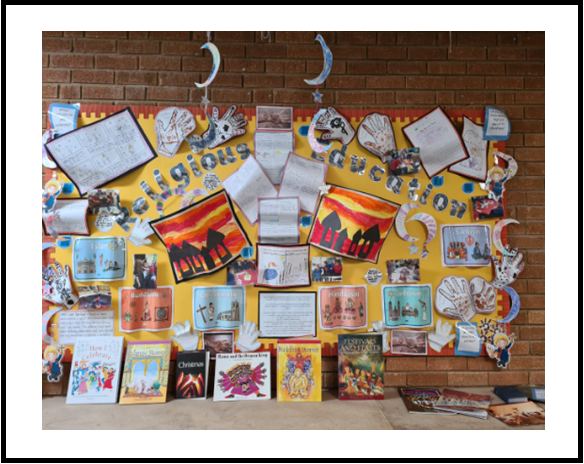
Using Staffordshire’s Locally Agreed Syllabus and Ridgeway’s Progression and Vocabulary Document, staff then have ownership over the activities that they choose to plan to best match the objectives, skills and vocabulary needed to be taught as well as the needs of the children in their class. This includes both formal lessons and learning that takes place outside of the classroom, which is an important learning experience for our children. Children have the opportunity of visiting places of worship as well as learn from visiting religious figures that allows them to learn from respected and knowledgeable members of faith communities. In addition, children take part in religious days where they have the opportunity of becoming immersed in that religion for the day, learning about faith members’ key beliefs and what that means for their way of life. A typical lesson encourages children to either explore, engage or reflect about religion and is engaging, stimulating, hands-on and incorporates resources, books or artefacts as appropriate.
Our Religious Education learning character allows children to understand what lesson they are taking part in, determining the key aspect of learning, especially if links are made across other subjects.
Enrichment
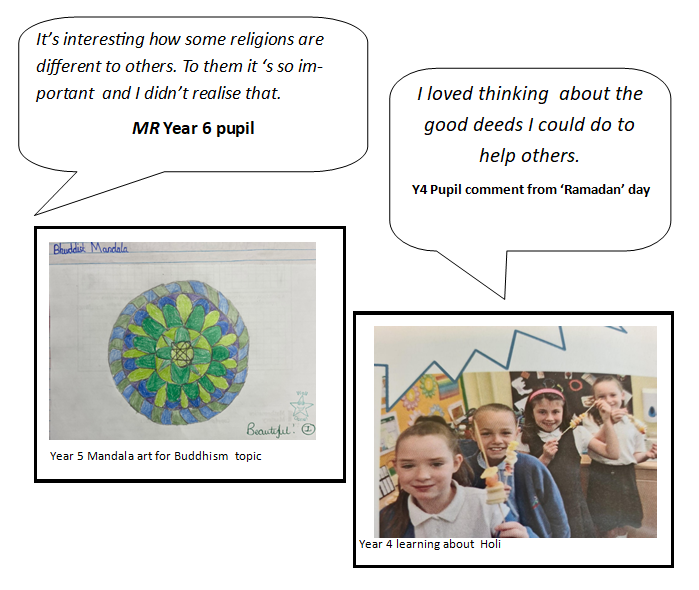
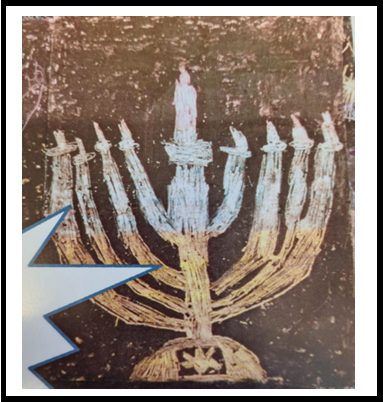
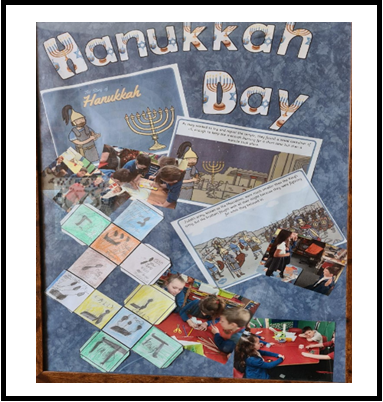
Enhancing learning experiences is a driving force behind the planning, development and teaching of our curriculum. During Religious Education lessons, children have opportunities to develop their understanding of religion by visiting places of worship, learning from visitors of religious importance and having the opportunity of experiencing religious practices hands-on. Regular RE days are planned into the whole school curriculum, allowing children to be immersed in the practices of a focus religion for the day. Previously, our children have taken part in Ramadan, Judaism, Holi and Hanukah focus days. A typical focus day may include dancing, music, foods and art all related to the religious focus.
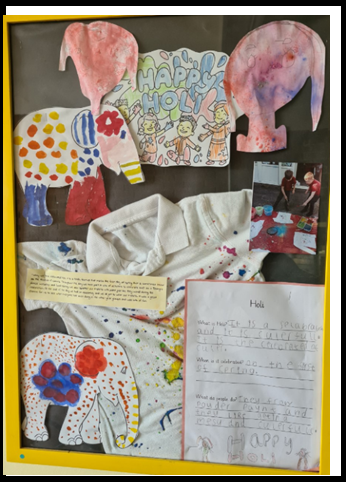
Year 3 Holi enrichment day display
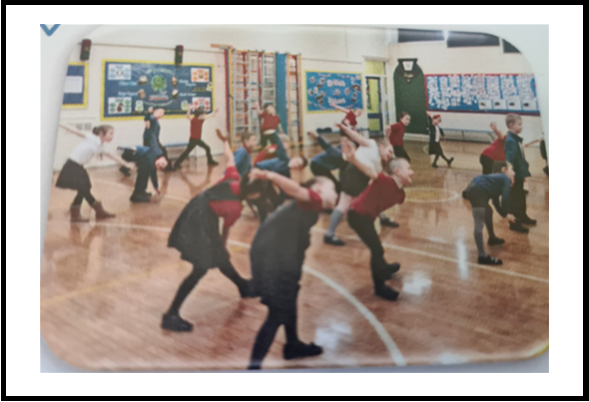
Year 4 taking part in Bollywood dancing